





















The Iran/US Conflict: Impact on the UAE, Dubai, and the HR Industry

by WeSource
15-Apr-2026
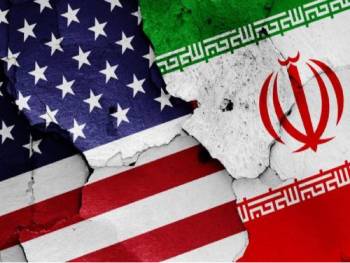
The ongoing Iran/US conflict has quickly evolved from a geopolitical flashpoint into a global economic disruptor. While the UAE, particularly Dubai, has historically demonstrated resilience during regional instability, the current situation is already creating ripple effects across business, trade, and most importantly, the human resources landscape.
1. Macro Impact: A Shock Felt Beyond Borders
Recent developments have driven oil prices above $100 per barrel and triggered volatility in global markets, with disruptions centered around the Strait of Hormuz—a critical artery for global energy supply.
This has resulted in:
- Rising inflation globally
- Increased cost of goods and logistics
- Declining business confidence
Financial institutions have already warned that prolonged instability could suppress salaries and hiring sentiment across industries.
For a globally connected economy like the UAE, these shifts inevitably translate into both risks and opportunities.
2. UAE & Dubai: Resilient, But Not Immune
The UAE’s economic fundamentals remain strong. With over 75% of GDP coming from non-oil sectors and significant fiscal reserves, the country is well-positioned to absorb shocks.
However, on-the-ground business sentiment tells a more nuanced story.
Emerging Challenges in Dubai:
- Supply chain disruptions leading to delays and increased costs
- Freight and logistics costs rising sharply
- Cash flow pressures, with suppliers demanding upfront payments
- Business uncertainty, especially among SMEs
At the same time, sectors like tourism, aviation, and retail are seeing early signs of slowdown due to travel uncertainty and regional risk perception.
3. Direct Impact on the HR Industry
From an HR and recruitment perspective, the effects are already visible and they are evolving quickly.
a. Hiring Slowdowns & Budget Controls
Companies across hospitality, retail, and F&B have begun:
- Freezing hiring
- Reducing headcount
- Implementing unpaid leave or salary adjustments
This is typically the first reaction phase in any geopolitical crisis, cost containment.
b. Shift Toward Flexible & Contract Staffing
Uncertainty drives businesses toward agility.
We are seeing increased demand for:
- Temporary staffing
- Project-based hiring
- Outsourced workforce solutions
This is a key opportunity area for staffing companies in the UAE, especially those with ready talent pools (such as pre-visa or on-ground candidates). Wesource has the advantage of our gigmarket.ae portal with large availability of ready staff waiting to be deployed.
c. Talent Mobility & Relocation Hesitation
The UAE has long been a global talent hub. However:
- Some expatriates may delay relocation decisions
- Companies may defer international hiring
- Travel disruptions can impact onboarding timelines
At the same time, Dubai’s reputation as a safe and stable hub could attract talent from more volatile regions, creating a counter balancing effect.
d. Compensation & Retention Pressures
With inflation rising (especially fuel and logistics costs), employees face:
- Increased cost of living
- Pressure for salary adjustments
However, companies are constrained, creating a widening gap between expectations and affordability.
This puts HR leaders in a delicate position:
- Retain talent without inflating fixed costs
- Balance morale with financial discipline
4. Sector-Wise HR Impact
Most Affected Sectors:
- Hospitality & Tourism
- Aviation & Travel
- Retail & F&B
- Logistics-dependent SMEs
More Resilient / Opportunistic Sectors:
- Oil & Energy
- Government & Semi-Government
- Technology & Digital Services
- Contract staffing and workforce outsourcing
5. Strategic HR Response: What Companies Should Do
In times like these, HR is no longer a support function, it becomes a strategic driver.
Key Actions for Businesses:
- Adopt flexible workforce models
- Strengthen workforce planning and scenario analysis
- Invest in productivity over headcount growth
- Enhance employee communication and transparency
- Leverage outsourcing to manage cost variability
6. The Bigger Picture: Risk Meets Opportunity
While the Iran–US conflict introduces short-term disruption, it also reinforces a long-standing trend:
Companies that are agile in workforce strategy outperform during uncertainty.
Dubai, in particular, has historically emerged stronger after crises, whether during the global financial crisis, COVID-19, or regional conflicts—due to its:
- Pro-business policies
- Infrastructure strength
- Global connectivity
- Talent ecosystem
Final Thought
The current conflict is a reminder that geopolitics and HR are deeply interconnected.
For business leaders and HR professionals in the UAE, the focus should not just be on navigating disruption but on repositioning for the opportunities it creates.
Because in every crisis, the workforce strategy you adopt today defines the business resilience you achieve tomorrow.